Kitchen Efficiency Tips: Simplify Operations with Equipment That Works Smarter
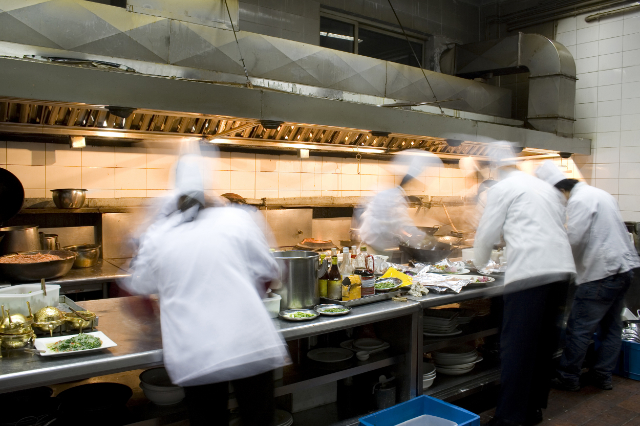
Running a successful commercial kitchen is about more than preparing great food. Today’s operators are challenged with labor shortages, rising food costs, employee turnover, and increasing customer expectations. Finding ways to improve efficiency without sacrificing quality has become a top priority for restaurants, healthcare facilities, schools, hotels, and institutional foodservice operations.
Here are several practical ways to improve kitchen efficiency while maintaining consistent food quality and keeping your operation running smoothly.
1. Reduce Training Time for New Employees
One of the biggest challenges facing today’s foodservice industry is staffing. New employees often have varying levels of experience, making it important to use equipment that is intuitive and easy to operate.
Look for equipment with:
- Simple, user-friendly controls
- Clearly labeled settings
- Consistent operating procedures
- Minimal adjustments during daily use
When equipment is straightforward to operate, new team members can become productive more quickly, reducing training time and helping maintain consistency across every shift.
2. Minimize Daily Labor Requirements
Every minute saved throughout the day adds up. Equipment that requires constant monitoring or frequent adjustments pulls employees away from other important tasks.
Instead, focus on solutions that allow staff to:
- Load product and return to other responsibilities
- Spend less time checking temperatures
- Reduce unnecessary handling of food
- Maintain product quality with fewer manual interventions
This allows kitchen staff to focus on meal preparation, customer service, and cleaning instead of constantly monitoring equipment.
3. Maintain Consistent Food Quality
Consistency is one of the hallmarks of an efficient kitchen. Standardized cooking and holding processes help reduce waste, improve customer satisfaction, and simplify training.
Equipment designed for repeatable performance helps operators:
- Deliver consistent food temperatures
- Preserve product quality throughout service
- Reduce overcooking and unnecessary food loss
- Better manage high-volume meal periods
Reliable results also reduce the need for experienced employees to constantly supervise every stage of food preparation.
4. Increase Flexibility During Peak Service
Meal periods rarely follow a perfect schedule. Breakfast, lunch, dinner, catering events, and special functions often require kitchens to adapt quickly.
Flexible equipment allows operators to:
- Prepare food ahead of busy periods
- Respond more effectively to changing demand
- Handle unexpected volume increases
- Better manage labor during peak hours
This flexibility helps kitchens remain productive even when staffing levels fluctuate.
5. Reduce Downtime Through Simpler Operation
Complex equipment can increase maintenance needs and operator errors. Choosing equipment designed for straightforward operation helps reduce unnecessary downtime and service interruptions.
Features that contribute to operational efficiency include:
- Easy-to-understand controls
- Accessible cleaning areas
- Simple maintenance procedures
- Reliable day-to-day performance
When equipment is easy to use and maintain, staff spend more time serving customers and less time troubleshooting.
6. Design Your Kitchen Around Efficiency
Kitchen efficiency isn’t achieved through one piece of equipment alone. It comes from selecting solutions that complement your workflow while reducing unnecessary steps.
Consider equipment that supports:
- Faster employee onboarding
- Flexible installation options
- Reduced labor requirements
- Consistent food quality
- Streamlined daily operations
- Long-term operational reliability
Small improvements in workflow can translate into significant savings in labor, training, and operating costs over time.
Smarter Equipment Supports Smarter Kitchens
As labor challenges continue across the foodservice industry, investing in equipment designed for ease of use, operational flexibility, and consistent performance can have a lasting impact on kitchen productivity.
Features such as simplified operation, and minimal training requirements help operators maximize efficiency while allowing staff to focus on what matters most, preparing and serving exceptional food.
By making kitchen efficiency a priority today, foodservice operators can build a more productive, adaptable, and successful operation for years to come.
Posted in: Cooking Tips & Recipes